🚚 FREE SHIPPING ON ORDERS OVER $50 15% OFF YOUR FIRST ORDER | Use Code: BELLY15 🎁 WORLDWIDE SHIPPING

Author: Cool Belly

  • Belly Ring Size Guide: How to Find Your Perfect Gauge and Length

    Belly Ring Size Guide: How to Find Your Perfect Gauge and Length

    If you’ve ever stood in front of a jewelry display trying to figure out whether you need a 14g or a 16g, or whether “3/8 inch” is even the right length for your body, you’re not alone. Belly ring sizing trips up more first-time buyers than anything else in the shopping process, and getting it wrong usually means a piece that pinches or won’t sit flush.

    The good news is that belly ring sizing only really comes down to two numbers: gauge and length. Once you understand what each one measures and how they relate to your own piercing, choosing a new ring gets a lot less confusing — whether you’re choosing your first belly ring style or replacing one you’ve had for years.

    Gauge vs. Length: The Two Numbers You Need to Know

    Gauge and length measure two completely different things, and mixing them up is the single most common sizing mistake. Gauge is the thickness of the post itself — how wide the bar is that actually passes through your piercing. Length is how long that bar is, from one ball or charm to the other.

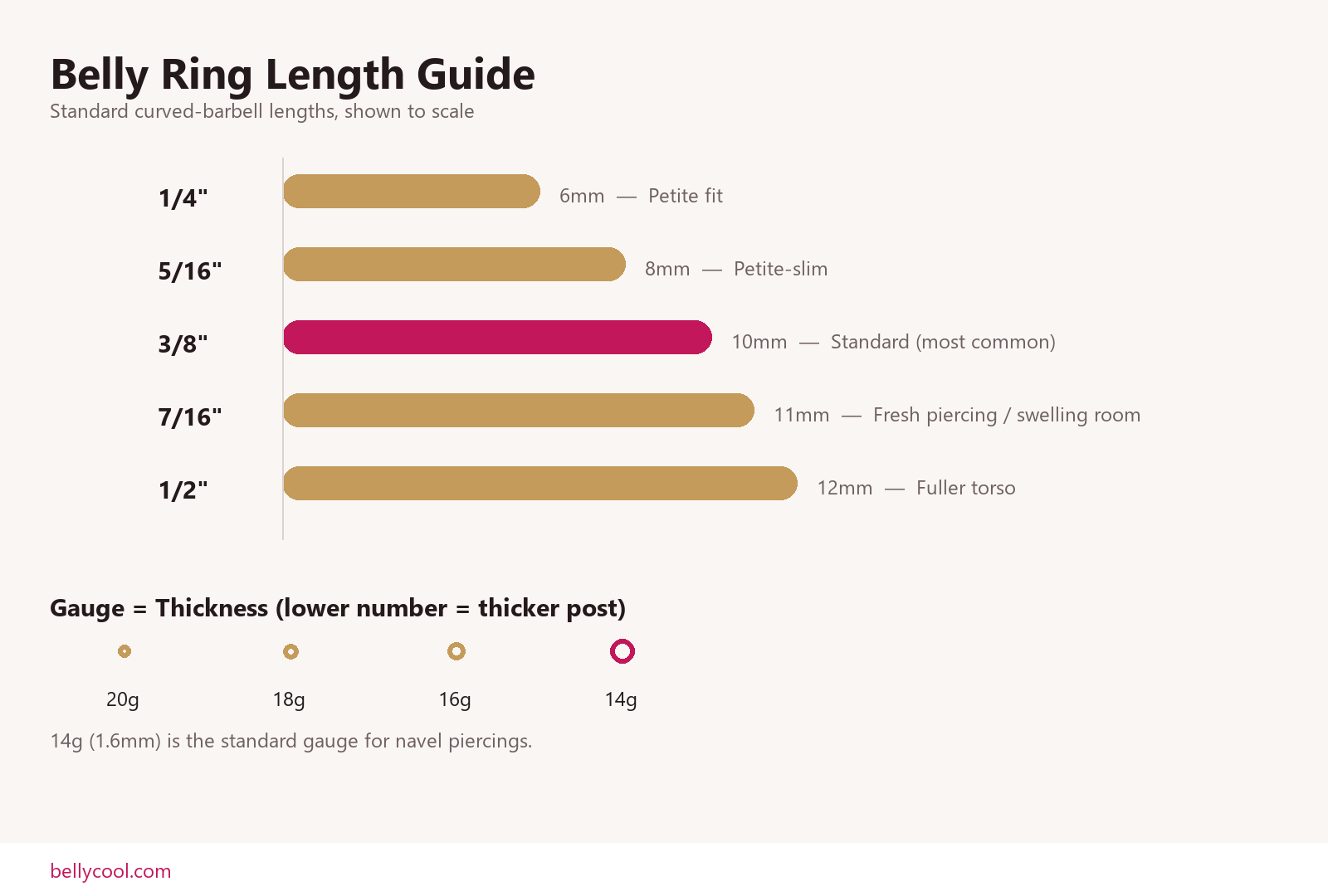
    Here’s the part that confuses almost everyone the first time: gauge numbers work backwards. A lower gauge number means a thicker post, not a thinner one. So a 14g bar is noticeably thicker than an 18g bar, even though 18 is the bigger number.
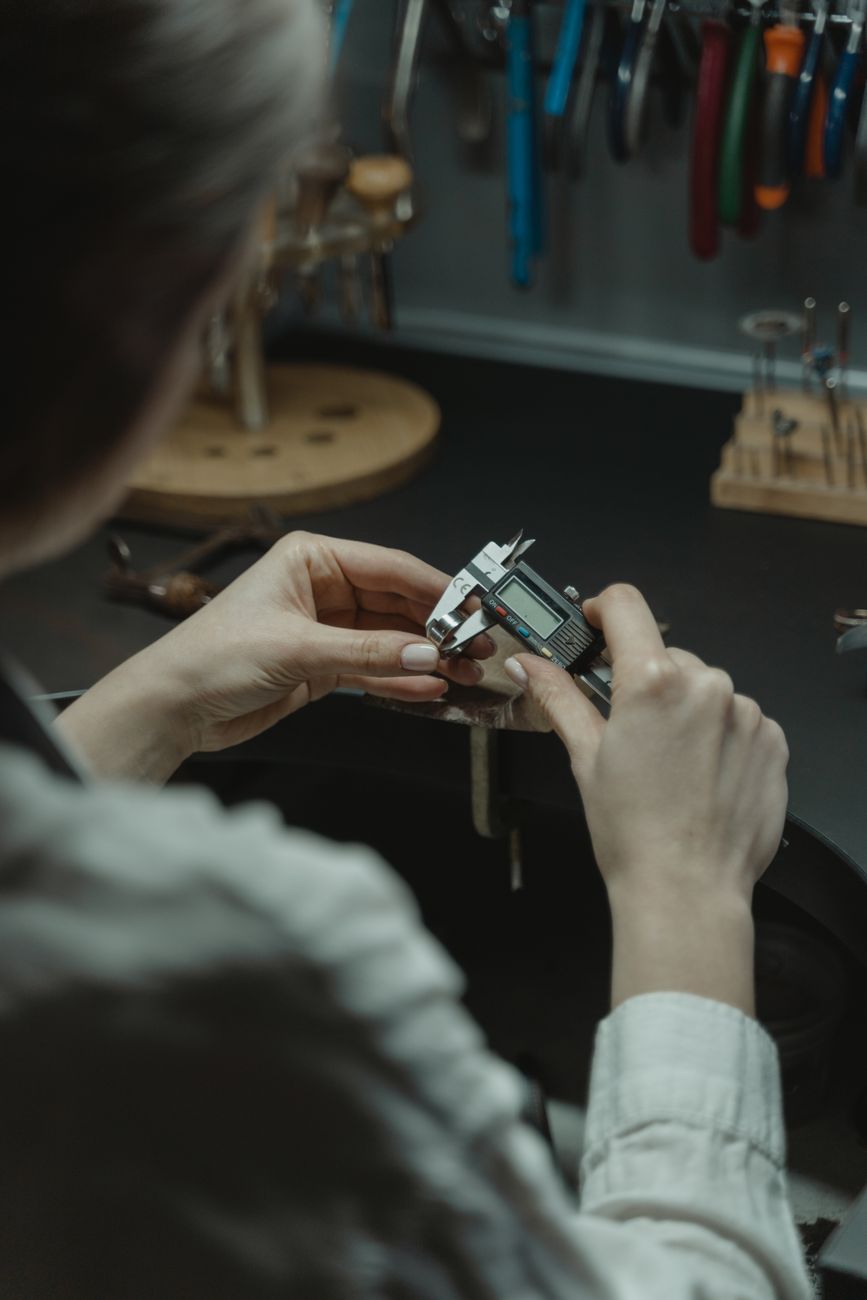
    Jeweler using a digital caliper to measure body jewelry

    Belly Ring Length Chart

    Curved barbells (the classic banana-shaped bar most belly rings use) come in a handful of standard lengths. Here’s how they compare:

    Length Metric Best For
    1/4″6mmPetite or smaller frames
    5/16″8mmPetite-to-average builds
    3/8″10mmStandard — most healed piercings
    7/16″11mmFresh piercings that still need swelling room
    1/2″12mmFuller torsos or deeper-set navels

    If you’re not sure where to start, 3/8″ (10mm) is the length most healed navel piercings end up at, and it’s the safest default when you’re buying online without a way to measure first.

    Understanding Gauge Thickness

    Gauge is far more standardized than length. The vast majority of navel piercings are done at 14 gauge (1.6mm), and most people stay at that gauge for the life of the piercing.

    Gauge Thickness Common Use
    20g0.8mmNose, small earrings
    18g1.0mmNose, cartilage
    16g1.2mmCartilage, some navels
    14g1.6mmStandard navel gauge

    Unless a piercer has specifically told you otherwise, assume your navel piercing is 14 gauge. It’s rare for a professional to use anything thinner for an initial piercing, since thinner posts are more prone to migration and irritation in a high-movement area like the navel.

    How to Measure Your Own Belly Ring
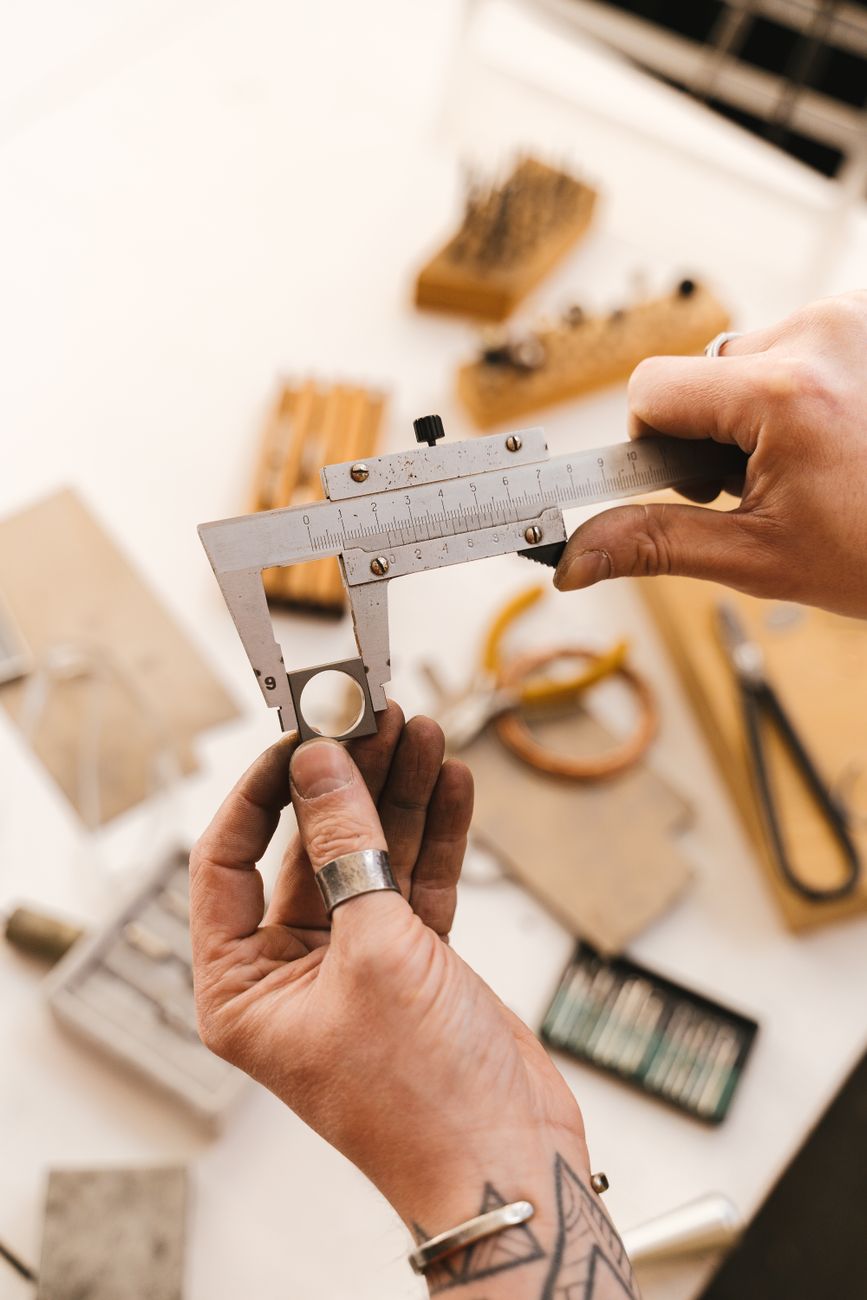
    Close-up of a caliper measuring a jewelry ball closure

    If You Still Have Your Current Jewelry

    The most accurate way to check your size is to measure the jewelry you’re already wearing. A ruler works for a rough estimate, but a digital caliper gives you an exact reading you can match against the charts above — measure ball to ball for length, and the post width (not the balls) for gauge. No caliper on hand? Most piercing studios will measure a piece for you in a couple of minutes, even one you didn’t buy there.

    If You Don’t Know Your Size at All

    Without your original jewelry on hand, your safest bet is a professional measurement at a piercing studio, since guessing on gauge in particular can mean jewelry that’s uncomfortably tight or loose enough to migrate. Most people are 14g at standard 3/8″ length, so that’s a reasonable starting point if a professional check isn’t practical right now.

    What a Professional Measurement Actually Involves
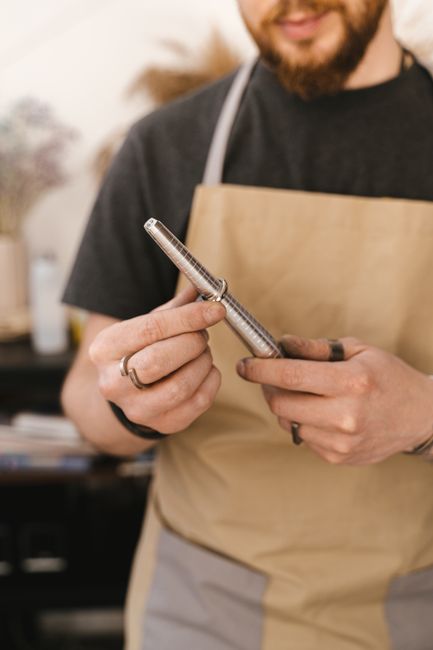
    Craftsman measuring ring size with a precision tool in a jewelry workshop

    If you’ve never had jewelry professionally measured, the process is quicker than it sounds. A piercer will typically hold your current jewelry (or a sizing rod, for a fresh piercing) against a calibrated gauge and caliper, reading both the post thickness and the ball-to-ball length in seconds. There’s no need to remove anything beforehand or book a special appointment — most studios will do this on the spot, even for jewelry you didn’t buy there.

    It’s worth getting an official measurement once and writing both numbers down somewhere you’ll find again, since a lot of buyers end up re-measuring from scratch after forgetting them months later.

    Fresh Piercing vs. Healed Piercing Sizing
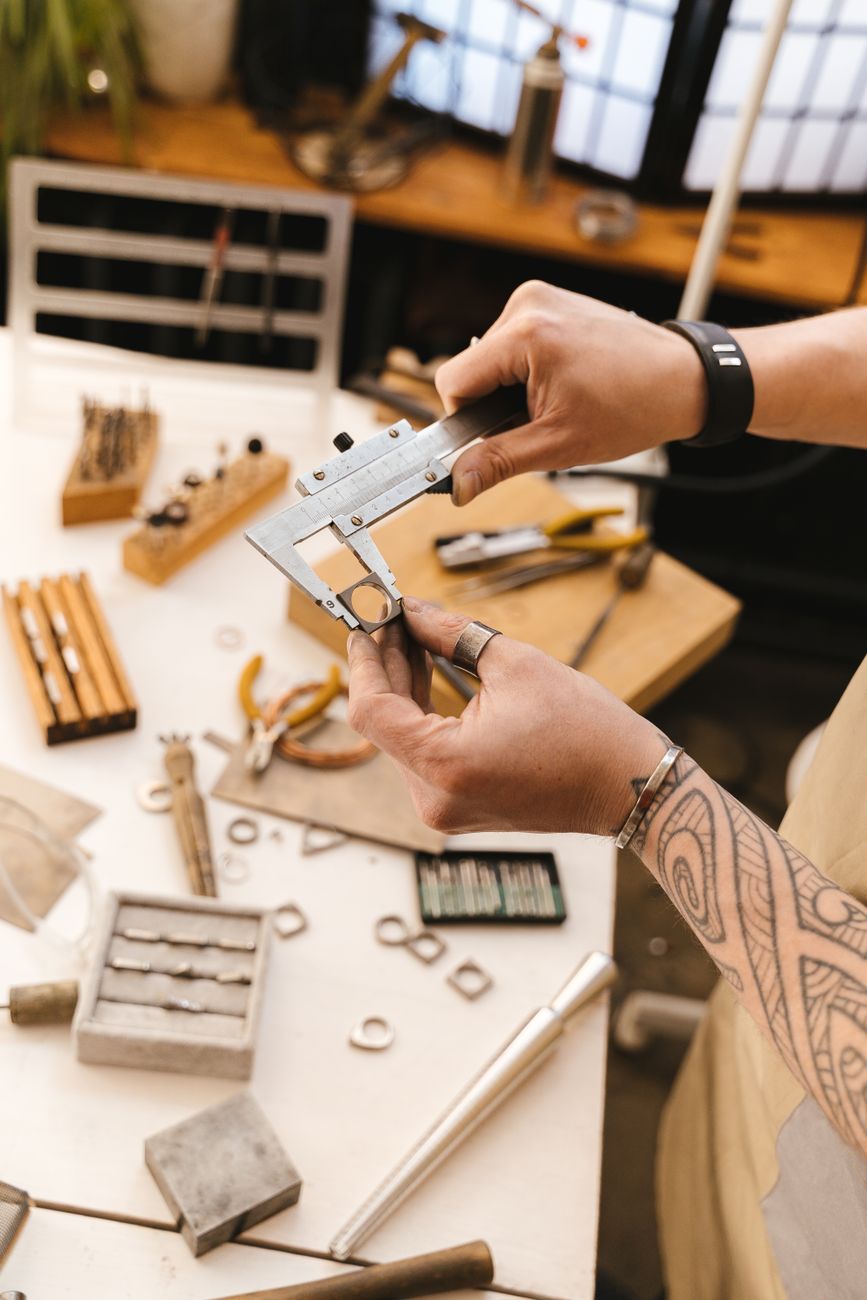
    Hands measuring jewelry gauge with a caliper in a workshop

    Sizing isn’t static over the life of a piercing. A brand-new navel piercing is usually fitted with a slightly longer bar — often 7/16″ instead of the standard 3/8″ — to leave room for the initial swelling that happens in the first few weeks.

    According to the Association of Professional Piercers’ guidance on initial jewelry, that extra length is intentional and shouldn’t be swapped out too early. Once healing is complete — commonly six to twelve months for navels — most people size down to the shorter, closer-fitting standard length. Our belly piercing aftercare and healing timeline guide covers that window in detail.

    Common Sizing Mistakes to Avoid

    • Guessing gauge from length, or vice versa. They’re independent measurements, and getting one right doesn’t tell you the other.
    • Downsizing too early. Swapping to a shorter bar before swelling has fully gone down can put pressure on the piercing.
    • Ignoring persistent tightness or migration. If jewelry constantly feels tight, presses into skin, or the piercing seems to be shifting position, that’s worth a professional opinion rather than sizing up on your own.
    • Buying by eye from product photos alone. Two rings can look identical online and still be completely different lengths — always check the listed measurements.

    What to Consider When Shopping for a New Size
    Rulers and tape measures used as a sizing reference

    Once you know your gauge and length, material is the next decision worth spending time on, since it affects comfort as much as sizing does. Our gold vs. silver belly ring comparison walks through how each metal wears over time and which is gentler on sensitive skin.

    Style is worth factoring in too — some current looks, like floating barbells with a flat inner base, sit differently than a classic dangle. Our 2026 belly ring trends guide is worth checking before you buy if you’re chasing a specific style.

    It’s also worth buying from a size range rather than a single fixed length, since even a “standard” 3/8″ fit sometimes sits better at 5/16″ or 7/16″ depending on the design. Browsing a full belly button ring collection with sizing listed per style beats guessing from a single product photo.
    Vintage caliper tool resting on a workbench

    Frequently Asked Questions

    What is the most common belly ring size?

    Most healed navel piercings use a 14 gauge post at 3/8″ (10mm) length. If you’re buying without an exact measurement, this combination is the safest default.

    How do I know if my belly ring is too big or too small?

    A ring that’s too short will look tight and may press into the skin above or below the piercing. One that’s too long will hang loosely, rotate more than it should, or dangle at an odd angle. Both are worth correcting rather than living with.

    Can I change my own belly ring size at home?

    Once a piercing is fully healed, most people can swap jewelry themselves. If a piercing is still healing, still swollen, or you’re unsure of the healing stage, it’s worth getting a professional to check before changing anything.

    Do all belly rings use the same gauge?

    Almost all navel piercings are 14 gauge, which is why most belly ring jewelry is made to that spec. Gauge only tends to vary if a piercer used something nonstandard for your specific piercing.

    Why does my belly ring feel different after losing or gaining weight?

    The navel sits on soft tissue rather than cartilage or bone, so noticeable weight changes can genuinely shift how a given length fits. It’s worth rechecking your measurements occasionally rather than assuming an old size still applies.

    Final Thoughts

    Belly ring sizing sounds more complicated than it actually is once you separate gauge from length and know where your own piercing falls on each scale. Measure what you have, check it against the charts above, and you’ll be able to shop for new styles with actual confidence instead of guesswork.

    Buying for someone else? Our belly ring gift guide covers sizing when you can’t ask directly. And gauge and length are only half the picture — our curved barbell vs. captive bead ring comparison covers which jewelry mechanism fits your piercing’s stage of healing.
  • Belly Piercing Aftercare Tips for a Healthy Healing

    Belly Piercing Aftercare Tips for a Healthy Healing

    Navel piercings take longer to heal than most people expect — commonly somewhere in the range of 6 to 12 months, sometimes longer, since the belly button sits in an area that moves and rubs against clothing constantly. Good aftercare habits early on make a real difference in how smoothly that process goes.

    Row of clean round white cotton pads on a marble surface

    What You’ll Need

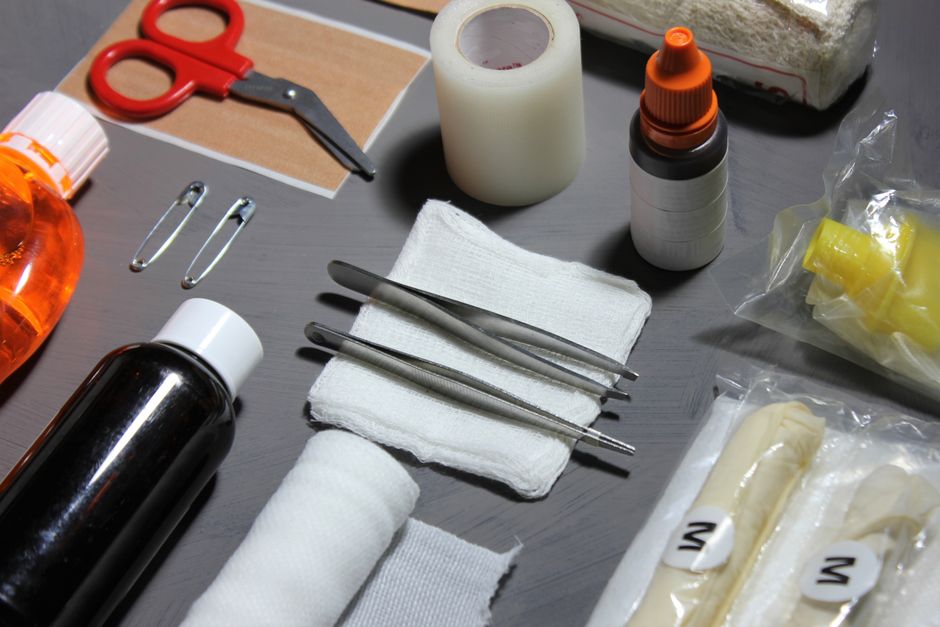
    First aid items including bandages, gauze, scissors, and disinfectants

    Aftercare doesn’t require much: sterile saline spray or wound wash, clean paper towels or gauze for patting dry, and loose clothing you don’t mind an occasional saline drip on. That’s genuinely the whole list — anything beyond that (special soaps, ointments, essential oils, tea tree or lavender treatments) tends to do more harm than good on a healing piercing, no matter how gentle the packaging claims it is.

    Buying pre-mixed sterile saline specifically formulated for wound care is worth the small extra cost over trying to mix your own from table salt and water, since getting the concentration wrong in either direction can irritate rather than soothe the area.

    Keep It Clean, But Don’t Overdo It

    A simple sterile saline soak or spray, once or twice a day, is generally all a healing piercing needs. Avoid alcohol, hydrogen peroxide, and strong antibacterial soaps — they’re often harsher than necessary and can irritate or dry out the skin around the piercing, which can actually slow healing down. Pre-mixed wound wash sold specifically for piercings works well if you’d rather not measure your own saline from salt and water.

    Hands Off (Mostly)

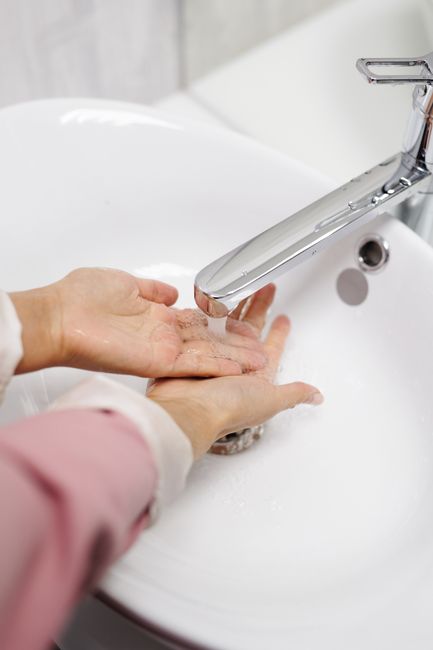
    Hands being washed under a faucet with running water

    Try not to rotate, twist, or move the jewelry while it’s healing, and always wash your hands before touching the area at all. It’s tempting to check on it constantly, but less handling generally means less irritation. This applies to friends and partners too — the fewer hands near a healing piercing, the better.

    Watch What Touches It

    Top-down view of folded sweatpants in various colors

    Loose clothing helps prevent snagging and friction, and it’s worth planning around for the first several weeks especially, since a healing piercing sits directly where most waistbands do. Pools, hot tubs, lakes, and the ocean are best avoided until healing is complete, since they carry a higher risk of introducing bacteria into a fresh piercing — a waterproof bandage can help if a swim is unavoidable. Our guide to belly rings and swimming covers this in more depth if pool or beach season falls during your healing window.

    A Rough Healing Timeline

    A detailed planner with goals and colorful tabs on a wooden desk
    Timeframe What’s Typical
    Weeks 1–2Redness, mild swelling, and tenderness are common and expected
    Weeks 3–8Surface skin starts to look normal, but the piercing is still healing internally
    Months 3–6Continued internal healing; jewelry should still stay in place
    Months 6–12Most piercings are fully healed; safe to consider a jewelry change

    This is a general guide rather than a guarantee — healing speed varies by person, and it’s worth checking with your piercer before assuming you’re fully healed just because the timeline says so.

    Lifestyle Factors That Affect Healing

    A few everyday habits matter more than people expect. Staying hydrated and eating reasonably well supports the body’s general healing process, the same way it would for any wound. Smoking and excessive alcohol are both associated with slower wound healing generally, so cutting back during the healing window isn’t a bad idea if you’re already inclined to.

    Sleep position is worth a thought too — sleeping on your stomach puts direct, sustained pressure on a healing navel piercing for hours at a time. Side or back sleeping is gentler, and a small travel pillow tucked against your side can help you stay off your stomach if that’s your usual position.

    Exercise doesn’t need to stop entirely, but anything involving tight waistbands, repetitive core movement, or direct contact — certain yoga poses, contact sports, tight compression leggings — is worth modifying or pausing for the first several weeks. Once swelling has settled and the surface looks calm, most activity can resume gradually as long as nothing is actively rubbing or pressing on the area.

    Know the Difference Between Normal Healing and a Problem

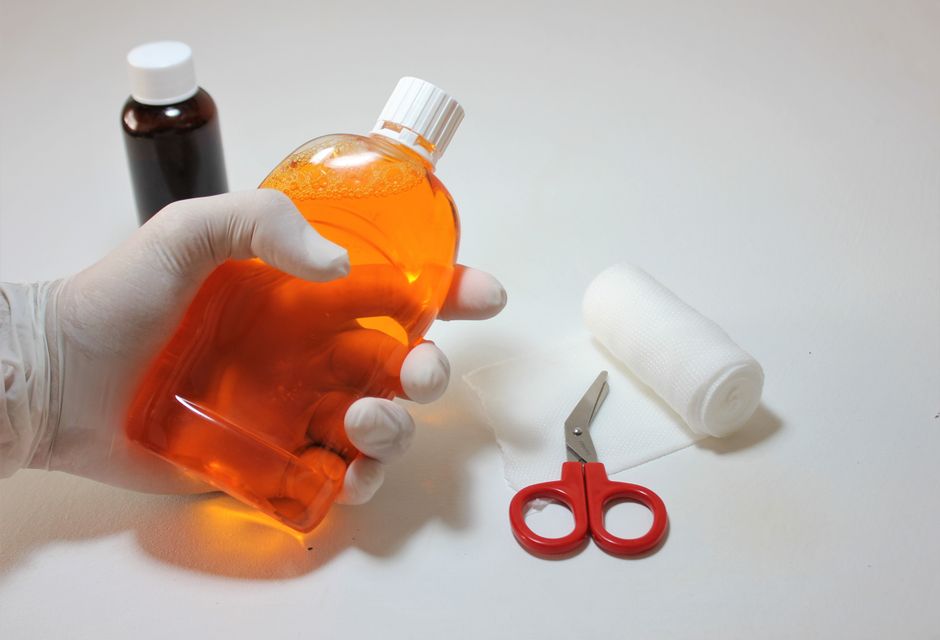
    Hand holding an antiseptic bottle with first aid items

    Some redness, mild swelling, and clear or slightly whitish fluid are normal, especially in the first few weeks. According to the Association of Professional Piercers’ troubleshooting guidance, genuine problems tend to involve symptoms that get worse over time rather than gradually improve — spreading redness, significant warmth, thick yellow or green discharge, a fever, or pain that’s increasing rather than settling. When in doubt, it’s always worth asking a professional rather than guessing.

    There’s a third possibility worth knowing about too: rejection, where your body gradually pushes the jewelry toward the surface rather than fighting an infection. It looks different from both normal healing and infection, and it’s common enough on navel piercings specifically to deserve its own explanation — our guide to piercing rejection and migration covers the early signs and what to do if you spot them.

    Do’s and Don’ts at a Glance

    Do Don’t
    Clean with sterile saline once or twice dailyUse alcohol, peroxide, or harsh antibacterial soap
    Wash hands before any contact with the areaRotate or twist the jewelry while healing
    Wear loose clothing over the piercingSwim in pools, lakes, or the ocean before healed
    Ask a piercer when something seems offChange jewelry early because it “looks” healed

    Common Aftercare Mistakes

    • Over-cleaning. More than two saline cleans a day can irritate healthy tissue just as much as neglect does.
    • Using harsh products “just to be safe.” Alcohol and peroxide kill healthy healing cells along with bacteria.
    • Changing jewelry early because it “looks” healed. Surface healing finishes well before internal healing does.
    • Ignoring early irritation. A snagging waistband or a nickel-containing piece left unaddressed tends to get worse, not better, on its own.

    Frequently Asked Questions

    How often should I clean a healing belly piercing?

    Once or twice a day with sterile saline is enough for most people. More frequent cleaning doesn’t speed healing and can actually irritate the area.

    Is it normal for a healing piercing to itch?

    Mild itching can be a normal part of healing, but resist the urge to scratch directly at the piercing. If itching is intense or paired with redness and discharge, it’s worth having a piercer take a look.

    Can I speed up healing time?

    Not meaningfully — healing happens on its own schedule. The best you can do is avoid slowing it down with over-cleaning, harsh products, early jewelry changes, or unnecessary friction.

    What jewelry material is best during healing?

    Implant-grade titanium or niobium are generally the safest choices for a healing piercing. Our hypoallergenic materials guide covers why these outperform other metals during this stage.

    My piercing looks fully healed after two months — can I change the jewelry?

    Probably not yet. The surface can look completely normal well before the internal piercing channel has finished forming, which is why most piercers recommend waiting the full six-to-twelve-month window regardless of appearance.

    Does sleeping position really affect healing?

    Yes, more than people expect. Consistent pressure from stomach sleeping can irritate a healing piercing over weeks and months, so side or back sleeping is generally easier on the area while it heals.

    Final Thoughts

    And once it’s fully healed? That’s the time to start exploring the fun stuff — different metals, charms, and styles. Just give it the time it needs first. If you’re still deciding whether to get pierced at all, our guide to what a first belly button piercing actually involves covers the appointment itself, cost, and pain expectations before you book. And once you’re ready to check your size for a new piece, our belly ring size guide walks through gauge and length in detail.

  • Gold vs Silver Belly Rings – Which is Right for You?

    Gold vs Silver Belly Rings – Which is Right for You?

    Gold and silver both look great, but they behave pretty differently on the body, and the right choice depends on your skin, your budget, and whether your piercing is brand new or fully healed.

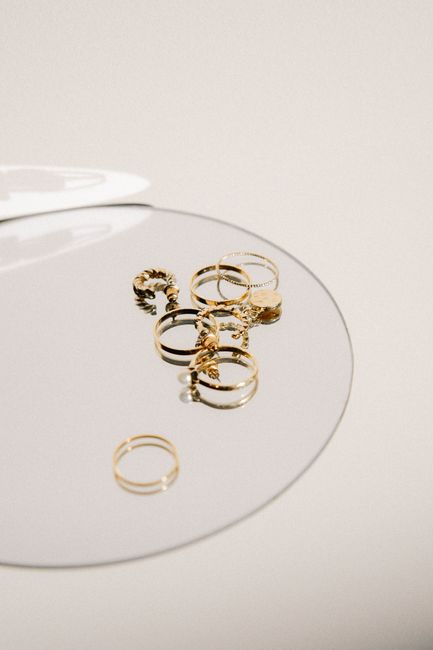
    Stylish collection of gold rings displayed on a reflective surface

    Sterling Silver

    Sterling silver (marked 925) is the more affordable option and has a classic, cool-toned shine. The tradeoff is that it can tarnish over time, especially with regular exposure to lotion, perfume, sweat, or humid air — a quick polish with a silver cloth usually brings the shine right back. Because sterling silver is an alloy, it’s also worth checking that a piece is nickel-free if you have sensitive skin. Our hypoallergenic materials guide covers exactly what to look for on the label.

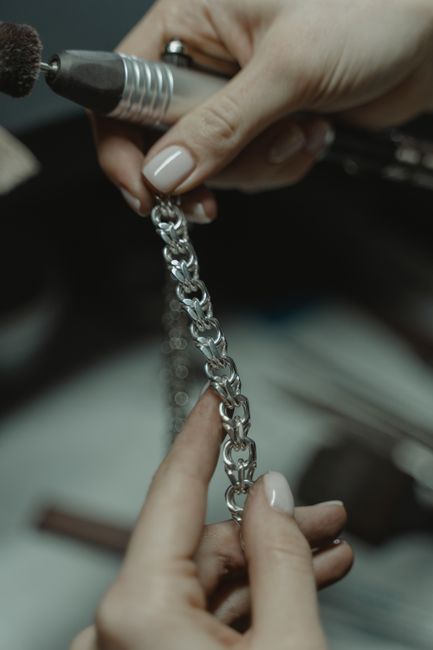
    Close-up of a jeweler polishing a silver chain with a tool

    Gold (Solid vs. Plated)

    Solid gold (typically 10k, 14k, or 18k) resists tarnish far better than silver and tends to be gentler on sensitive skin, especially at higher karats. Gold-plated jewelry gives you the look for less, but the plating is a thin layer over a base metal and will wear thin with regular contact and moisture — how long it lasts really depends on the thickness of the plating and how often it’s worn.

    Rose Gold: A Third Option

    Stylish rose gold jewelry set displayed on a white surface

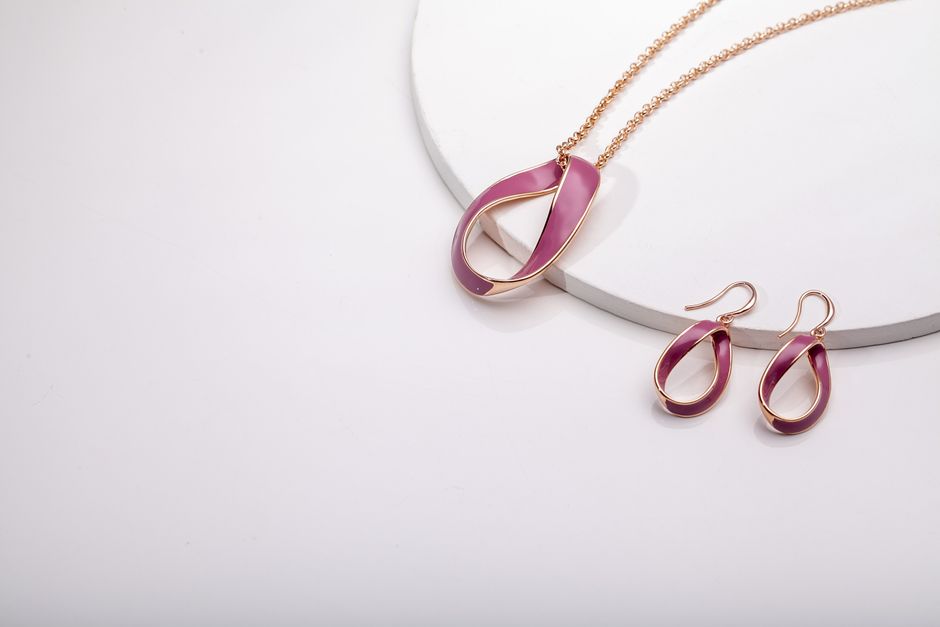
    Rose gold is standard yellow gold alloyed with a higher proportion of copper, which gives it that warm, pinkish tone. It wears similarly to regular solid gold in terms of durability and skin tolerance, since the karat rating still describes how much pure gold is present — the copper is what shifts the color, not the durability. It’s worth checking with the seller if you’re highly copper-sensitive, though this is far less common than a nickel sensitivity.

    Rose gold also tends to photograph a little differently than yellow or white gold, picking up warmer undertones in natural light, which is part of why it’s become such a popular choice for pieces meant to be seen in photos as much as in person. If you like the idea of gold’s durability but want something that reads as slightly less traditional than classic yellow, it’s worth trying before committing to yellow or white.

    Mixing Metals Instead of Choosing One

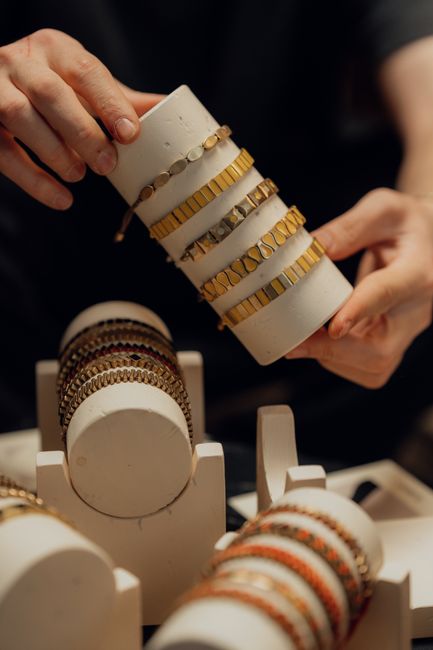
    Close-up of hands displaying elegant gold and silver bracelets

    You don’t actually have to pick a single metal and stick with it. Deliberately combining gold and silver pieces has become one of the more popular approaches in jewelry generally, and belly rings are a low-commitment place to try it — wear a silver piece one day and a gold one the next without needing either to match your other jewelry. Our 2026 belly ring trends roundup covers this in more depth if you want to see how it’s being styled right now.

    Which Metal Suits Your Skin Tone?

    Detailed close-up of a beaded gemstone necklace

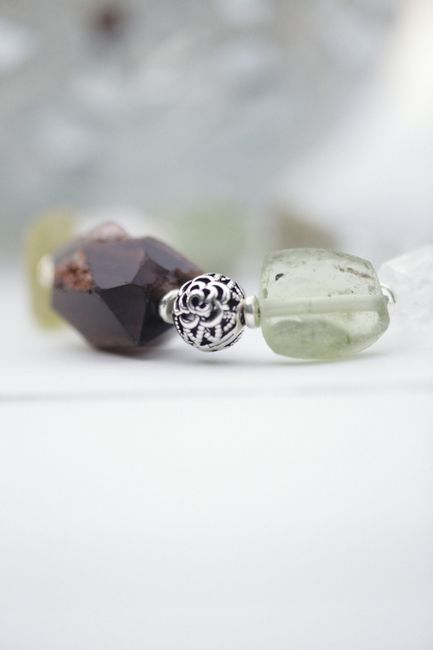
    As a loose guideline, warmer undertones tend to be flattered by gold and rose gold, while cooler undertones often lean toward silver and white metals — check the underside of your wrist; if your veins look more green, you likely lean warm, and if they look more blue, you likely lean cool. This is a starting point rather than a rule, though, and mixed-metal styling has made the distinction matter less than it used to.

    What Actually Matters for a New Piercing

    Here’s the part that surprises a lot of people: for a fresh or still-healing navel piercing, most professional piercers don’t recommend starting with gold or silver at all. Softer precious metals can be more porous at a microscopic level and are generally considered less ideal for healing tissue than implant-grade titanium, niobium, or ASTM F138 surgical steel, which are the materials piercing professionals typically recommend for initial jewelry. Gold and silver are a great choice once a piercing is fully healed and you’re swapping in jewelry for style rather than for the initial healing period. Our guide to getting your first belly button piercing covers what that initial jewelry looks like in more detail.

    If you’re unsure whether your piercing has fully healed, a piercer can check in person — healing time varies a lot from person to person, and our aftercare and healing timeline guide covers what each stage typically looks like.

    Does Solid Gold Actually Hold Its Value?

    It’s a fair question if you’re weighing whether solid gold is worth the extra cost over plated or silver. According to Empower’s overview of jewelry as an investment, gold jewelry can hold value better than plated pieces, but retail prices include design and labor costs that resale offers typically don’t account for, so it’s best thought of as a wearable purchase rather than a financial one. Higher-karat gold (18k and above) tends to hold value more consistently than lower-karat pieces, mainly because there’s simply more actual gold content in the metal.

    For a belly ring specifically, that means the honest case for solid gold is comfort and longevity — it won’t tarnish, it’s gentler on skin, and it’ll outlast plated jewelry by years — rather than treating it as a way to grow your money.

    Care and Maintenance Compared

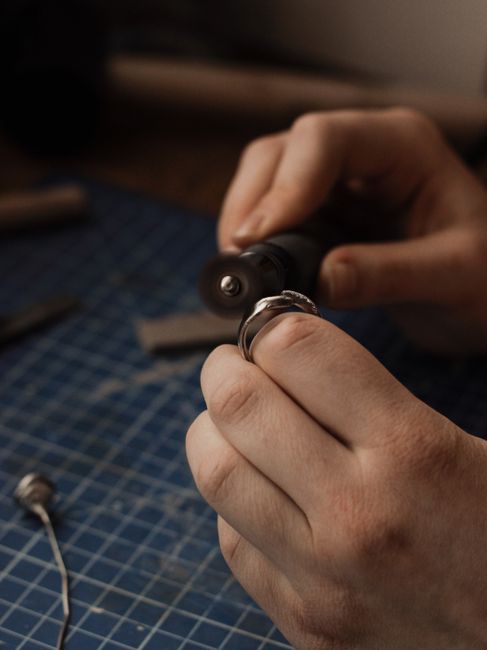
    Close-up of a craftsman polishing a silver ring
    Metal Tarnish Resistance Typical Cost Best For
    Sterling silverModerate — needs occasional polishing$Everyday wear on a budget
    Gold-platedLow — wears through with contact$Occasional wear, not daily
    Solid gold (10k–14k)High$$$Long-term daily wear
    Solid gold (18k+)Very high$$$$Sensitive skin, long-term wear

    Frequently Asked Questions

    Can I switch between gold and silver belly rings without any issue?

    Yes, as long as your piercing is fully healed and both pieces are made from skin-safe materials. Switching metals on a healed piercing is purely a style choice.

    Does rose gold tarnish like silver does?

    No — rose gold behaves like regular solid gold in terms of tarnish resistance, since the karat rating (not the color) determines durability.

    Is white gold the same as silver?

    No. White gold is gold alloyed with white metals and often rhodium-plated for extra shine, while silver is a completely different base metal. White gold generally resists tarnish better than silver but the plating can wear over time, similar to gold plating.

    What’s the most budget-friendly option that still looks nice?

    Sterling silver offers the best balance of appearance and price for most people, as long as you’re comfortable with occasional polishing to maintain the shine.

    Should I buy gold or silver first if I’m building a small collection?

    Start with whichever metal you already wear most in your other jewelry, so your new belly ring pairs naturally with pieces you own rather than needing a whole new palette.

    Is 14k or 18k gold better for a belly ring?

    Both are good choices. 18k contains more pure gold, so it’s slightly softer and marginally better for sensitive skin, while 14k is more affordable and a bit more durable for daily wear. Neither is objectively “better” — it comes down to budget and how sensitive your skin is.

    Final Thoughts

    Once a piercing is healed, gold versus silver really is just a style and budget decision — both are safe, attractive choices, and mixing them is more accepted than ever. If you’re still healing, save the precious metals for later and stick with titanium or surgical steel in the meantime.

    Shopping for someone else rather than yourself? Our belly ring gift guide covers how to pick between gold and silver as a gift specifically, along with sizing and budget tips.

  • How to Choose the Perfect Belly Ring for Your Style

    How to Choose the Perfect Belly Ring for Your Style

    A belly ring is one of the easiest ways to add a bit of personality to your everyday look, but with so many bar lengths, closures, and charm styles out there, picking the right one can feel overwhelming. Here’s what actually matters when you’re choosing one.

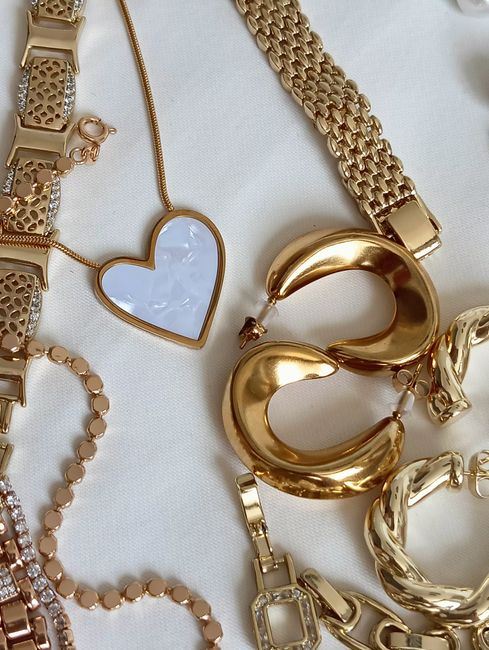
    Stylish flat lay of gold jewelry featuring a heart necklace, bracelets, and chains

    Get the Size Right First

    Fit matters more than style. A bar that’s too short can put pressure on healing or sensitive tissue, and one that’s too long can snag on clothing. Standard navel bars usually run between 3/8″ and 1/2″ (10mm–12mm), but the right length depends on your own anatomy and swelling level if the piercing is newer. If you’re not sure what you’re currently wearing, a piercer can measure it in a couple of minutes, or our belly ring size guide walks through how to measure it yourself with a caliper.

    Think About Closure Type

    Curved barbells (the classic banana-shaped bar with a ball on top and a dangle on the bottom) are the most common style and the easiest to put in and take out yourself. Clicker-style rings and captive bead rings are also popular but usually require a bit more care — or a piercer’s help — to open and close securely. If you’re deciding between a bar and a ring style, our curved barbell vs. captive bead ring comparison breaks down the tradeoffs in more depth.

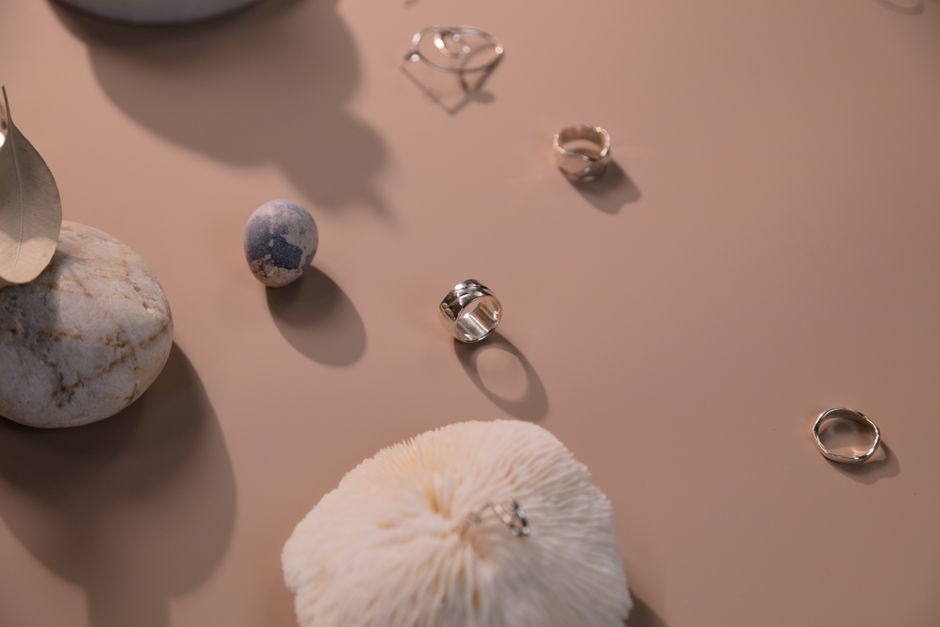
    Minimalist arrangement of silver rings with stones and a feather

    Match the Charm to the Occasion

    Small fixed balls or gems read as understated and work well for everyday wear or under fitted clothing, and they stay put during activity since there’s nothing hanging to catch or tug. Longer dangles with charms — hearts, stars, florals — show more when you’re in cropped styles and tend to catch more light and movement, which is great for going out but something to keep in mind if you’re active or wear more fitted tops day to day. A dangle can also tug on a piercing that isn’t fully healed, so most piercers recommend saving longer dangles for once you’re past the healing stage.

    Matching Style to How You Actually Dress

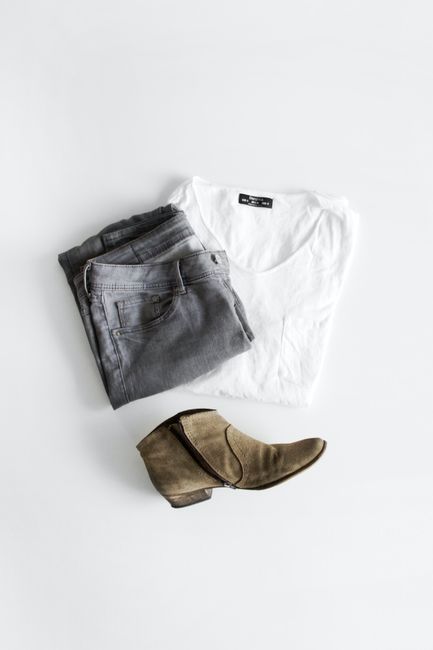
    Flat lay of a casual outfit with shirt, jeans, and boot

    Where you wear your jewelry most often is a genuinely useful filter for narrowing down style. If low-rise jeans and crop tops are already your everyday look, a dangle has room to actually show and catch light. If you mostly wear higher-waisted bottoms or fitted tops that sit over the navel, a fixed charm or a floating style sits flatter and won’t fight against fabric all day.

    Reverse-style belly rings, where the decorative piece sits on the top ball instead of hanging below, are worth knowing about too — they stay visible even under higher-waisted clothing since the design sits higher on the piercing. If you’re planning around swimwear specifically, our guide to belly rings for summer covers which styles hold up best to pool and beach wear.

    Metal Tone: Matching What You Already Own

    Gold jewelry pieces including bracelets and rings on a textured surface

    If you already wear a lot of gold or silver jewelry elsewhere, matching your belly ring to that tone creates a more put-together look without any extra effort. That said, deliberately mixing gold and silver has become one of the more popular approaches this year rather than something to avoid — our 2026 belly ring trends roundup covers how that trend actually works in practice if you’d rather not choose just one metal.

    Following Trends Without Overspending

    Stylish silver rings and necklace displayed on a soft pink background

    It’s tempting to chase every new style at once, but a smarter approach is picking one or two current pieces to add to jewelry you already own rather than replacing your whole collection. A single opal or gemstone charm, for instance, updates a plain everyday barbell without much cost. Forbes’s coverage of this year’s defining jewelry trends makes a similar point about jewelry generally: layering one or two current pieces onto what you already wear reads as more intentional than replacing everything at once. If you’re shopping for someone else who’d appreciate a current style, our belly ring gift guide covers how to choose well without guessing wrong on fit.

    Handmade vs. Mass-Produced Pieces

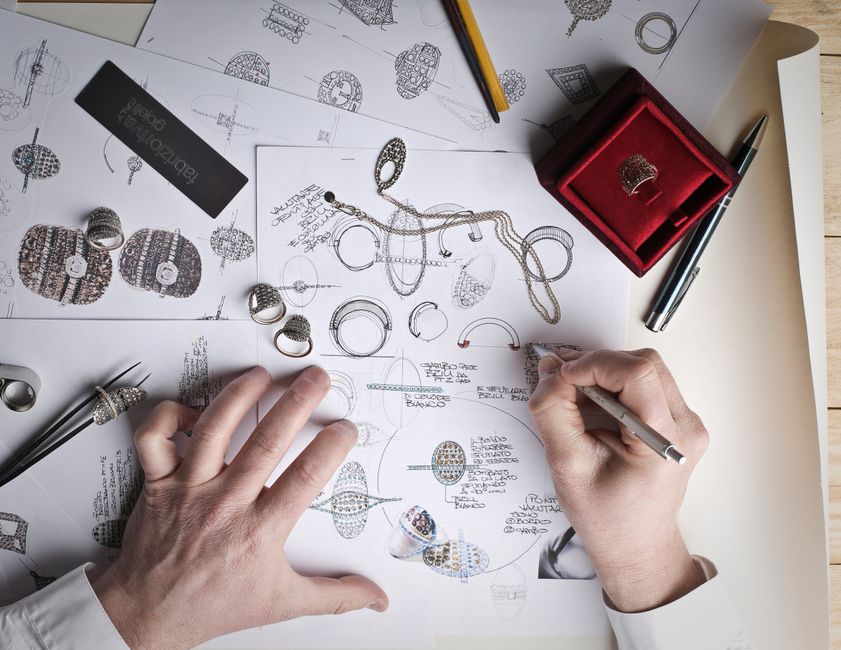
    Hands sketching jewelry designs with tools and prototypes on a desk

    Most belly rings on the market are mass-produced, which keeps prices accessible and means sizing and gauge are consistent from piece to piece — a real advantage if you’re still learning your own measurements. Handcrafted or small-batch pieces cost more and can vary slightly in fit, but they’re worth considering once you know exactly what gauge and length work for you, since the design details tend to be more distinctive than what you’ll find in a mass catalog.

    Neither approach is objectively better; it mostly comes down to whether you’re still figuring out your preferences (mass-produced, lower-risk) or you already know your style well enough to invest in something more unique (handmade, higher-commitment).

    Choosing by Aesthetic, Not Just Occasion

    It helps to think in terms of an overall look rather than picking one piece at a time. A minimalist wardrobe usually pairs best with a single fine barbell in one consistent metal, worn the same way daily. A boho or eclectic style tends to suit mixed metals, natural stones, and slightly asymmetric charm shapes. A more polished or “going out” aesthetic leans toward crystal accents and cleaner geometric lines. Once you know which of these describes how you already dress, narrowing down belly ring options gets a lot faster.

    Consider Your Skin First

    Closeup of a golden butterfly pendant charm

    Before you fall in love with a finish, make sure the base material is right for your skin and your piercing’s healing stage — that’s actually the more important decision, and it deserves its own explanation. We cover that in detail in our gold vs. silver guide, and if you’ve reacted to jewelry before, our hypoallergenic materials guide covers exactly which metals to look for and which to avoid.

    Frequently Asked Questions

    Should I choose style or size first when buying a new belly ring?

    Size first, always. A beautiful piece that doesn’t fit correctly will pinch, dangle awkwardly, or irritate the piercing, while a well-fitted plain piece is comfortable enough to actually enjoy wearing.

    Are dangle belly rings safe for a new piercing?

    Most piercers recommend sticking with a simple fixed-ball curved barbell until healing is complete, since a dangle’s movement can tug on tissue that hasn’t fully formed its healing channel yet.

    How many belly rings should I actually own?

    There’s no fixed number, but a small rotation covering one everyday piece, one dressier dangle, and one in a hypoallergenic material for sensitive days covers most situations without overbuying.

    Do reverse belly rings work with any piercing?

    Yes — a reverse style uses the same standard piercing and gauge as a regular curved barbell, just with the decorative element on the opposite end.

    What’s the easiest style to start with if I’m overwhelmed by choices?

    A simple titanium or surgical steel curved barbell with a small fixed ball or gem is the safest, most versatile starting point. It’s comfortable, inexpensive, and pairs with almost anything you’d wear it under.

    Final Thoughts

    Once you’ve got size and material sorted, the rest really is just picking what makes you smile when you look down. That’s the fun part — and it’s a lot easier to enjoy once the fit and material decisions are out of the way first.